Tired of Rolex Waitlists? 5 Better Watch Brands
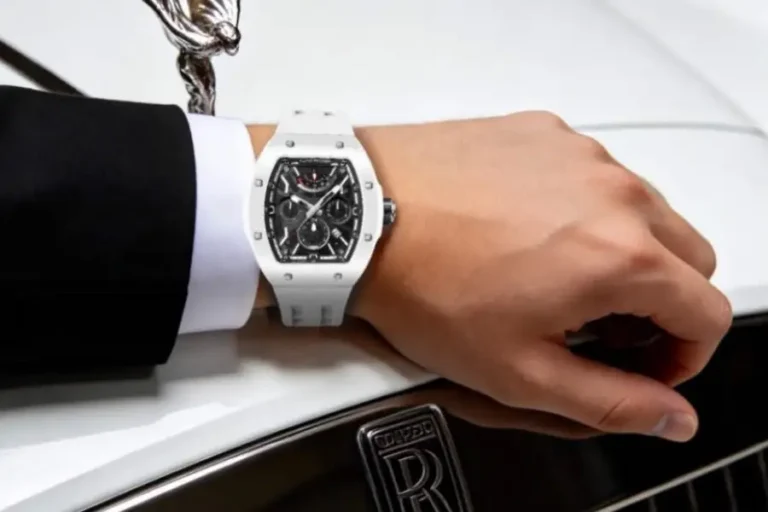
The “interest list” is a psychological trap disguised as customer service—and 5 watch brands that prove you don’t need a dealer’s permission to buy craftsmanship. For decades, Rolex has positioned itself as the ultimate symbol of success. But in today’s market, buying a Rolex often feels less like a purchase—and more like applying for approval….
The “interest list” is a psychological trap disguised as customer service—and 5 watch brands that prove you don’t need a dealer’s permission to buy craftsmanship.
For decades, Rolex has positioned itself as the ultimate symbol of success. But in today’s market, buying a Rolex often feels less like a purchase—and more like applying for approval.
Waiting lists. Purchase history requirements. “Relationship building” with authorized dealers. The reality is simple: you’re not just buying a watch—you’re asking for permission.
And a growing number of informed buyers are opting out.
If you appreciate craftsmanship, heritage, and design—but refuse to play gatekeeping games—there’s a new generation of brands ready to meet you halfway. No artificial scarcity. No unnecessary hoops. Just great watches, available when you decide.
Here are five brands that respect your time—and your intelligence.
The Exit: 5 Watch Brands That Sell Craft, Not Compliance
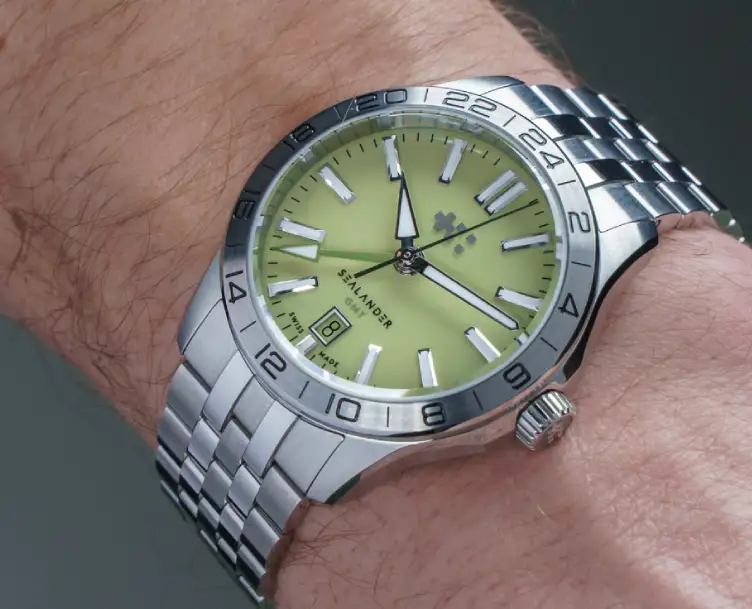
Christopher Ward has built its reputation on a simple idea: luxury-level quality without luxury-level markup or theatrics.
Based in the UK and manufactured in Switzerland, the brand offers in-house movements, clean modern designs, and exceptional finishing at prices that undercut much of the Swiss industry.
What sets them apart isn’t just value—it’s accessibility. You can go online, choose the watch you want, and buy it. All available online. All available now. No interest list. No relationship application. No dealer gatekeeping.
A standout example is the C1 Bel Canto, which delivers a chiming complication at a price point previously considered impossible. It’s proof that innovation doesn’t need gatekeeping.
2. Yema-French Heritage Without the Hype Machine
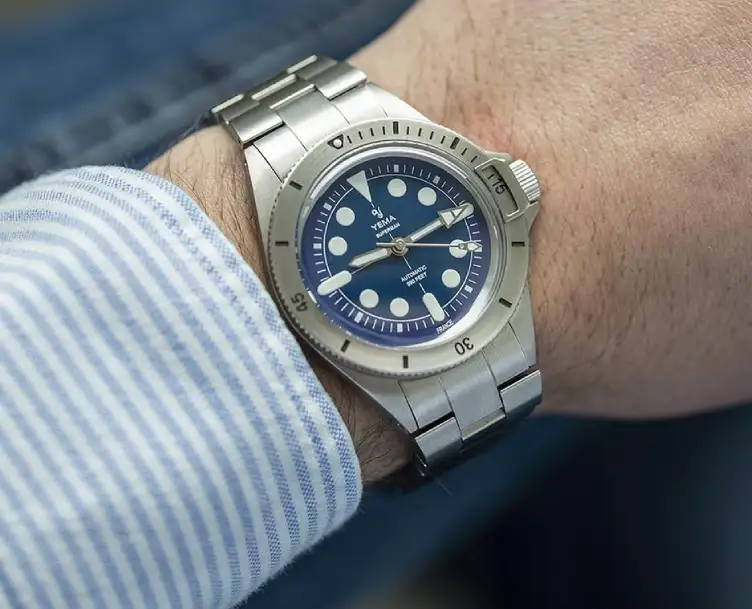
Yema is a historic French brand quietly reasserting itself with in-house calibers and strong tool-watch DNA.
While Rolex builds scarcity, Yema focuses on substance. Their Superman and Navygraf collections deliver vintage-inspired dive watches with modern engineering—often powered by their own YEMA2000 and micro-rotor movements.
There’s no mythology you need to “buy into.” No resale-driven frenzy. Just solid watches with real history, available when you want them.
For buyers tired of marketing narratives outweighing product value, Yema offers a refreshingly grounded alternative.
3. Tudor-Rolex Without the Gatekeeping
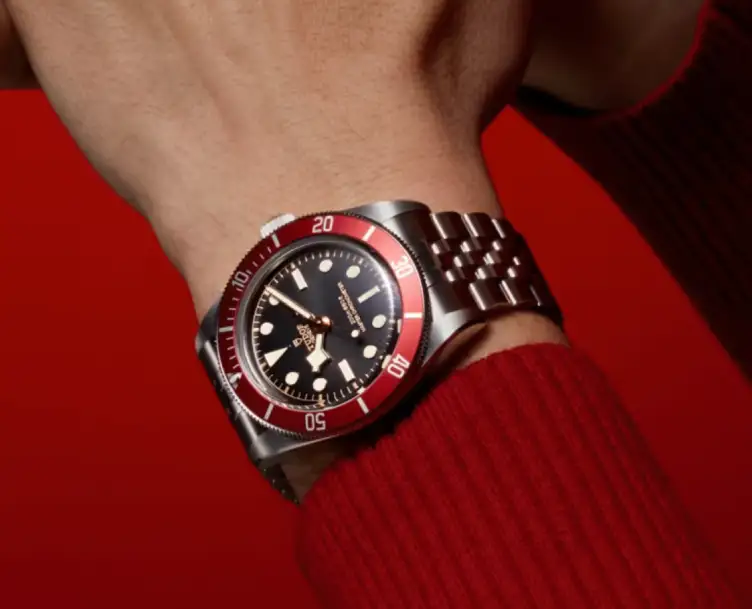
Tudor sits in a unique position—it shares Rolex’s DNA, manufacturing standards, and even some design language, but without the same restrictive buying experience.
You still get robust build quality, COSC-certified movements, and iconic designs like the Black Bay and Pelagos. But unlike Rolex, Tudor watches are generally available through authorized dealers without games or hidden requirements.
In many ways, Tudor represents what Rolex used to be: a tool watch brand built on reliability and accessibility.
If you want Rolex-level engineering without the “permission slip,” Tudor is the most direct alternative.
4. Nomos Glashütte-Design-Led German Precision
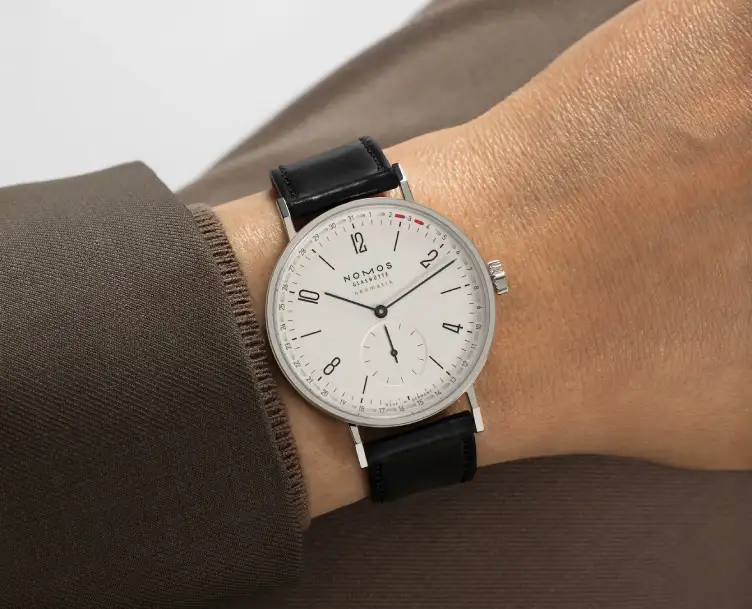
Nomos offers something Rolex rarely does—restraint.
Rooted in Bauhaus design, Nomos watches are minimal, refined, and unmistakably modern. But beneath that simplicity lies serious horology: in-house movements, Glashütte finishing, and meticulous engineering.
There are no artificial barriers here. You don’t need to prove anything to buy a Nomos. You simply choose the design that resonates with you.
Models like the Tangente and Orion have become icons not because they’re scarce—but because they’re well-designed and consistently available.
Nomos respects a different kind of buyer: one who values design clarity over status signaling.
5. Baltic-Independent Spirit, Direct Connection
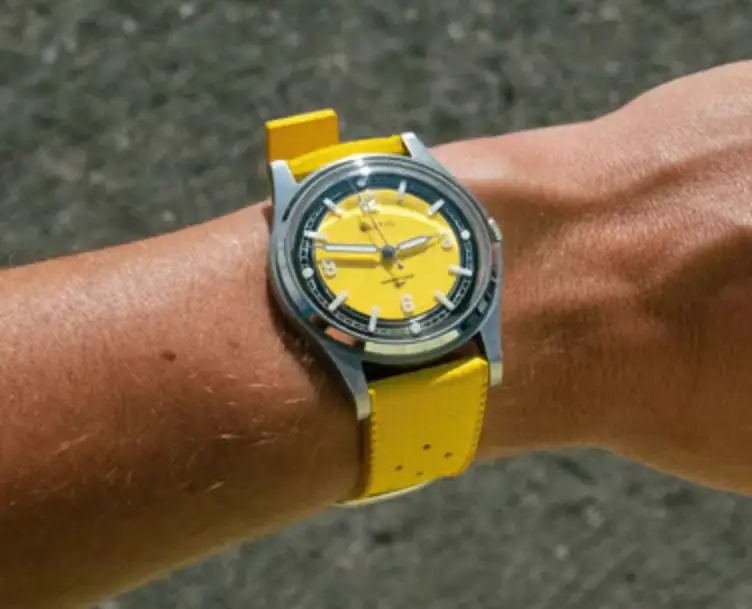
Baltic represents the new wave of independent watchmaking—transparent, design-driven, and community-focused.
Founded in France, Baltic combines vintage aesthetics with modern reliability. Their watches are assembled in France using Swiss movements, and their direct-to-consumer model keeps pricing fair and communication open.
There’s no illusion of exclusivity here. Instead, Baltic builds trust through storytelling, limited but fair releases, and direct engagement with customers.
Pieces like the Aquascaphe and MR01 show that you don’t need a century-old brand myth to create something compelling.
The New Standard
| Rolex Game | The New Standard |
|---|---|
| Invisible rules, no accountability | Transparent pricing, clear availability |
| Dealer as gatekeeper | Dealer as service provider |
| Relationship as currency | Product as currency |
| Scarcity as marketing | Craftsmanship as marketing |
| Secondary market as validation | Primary market as complete experience |
| You prove yourself to the brand | The brand proves itself to you |
The common thread among these five brands is not price. It is not origin. It is not even mechanics. It is a single question they all answer the same way.
Do you need permission to buy craft?
Their answer is no.
How to Exit the Rolex Game
Before you join any interest list, ask four questions.
Is this scarce, or is this withheld? Scarcity means limited production capacity, genuine artisan constraint, materials that cannot be rushed. Withheld means inventory exists, access is controlled by relationship metrics, and the limitation is artificial.
What am I actually paying for? The watch, or the right to eventually buy the watch? The object, or the process of exclusion?
Would I buy this if I could walk out with it today? If the answer is no, the interest list is doing the selling, not the product.
Who benefits from my uncertainty? If the answer is the dealer and the brand, not you, then you are in a game designed for their profit. Your anxiety is their revenue model. Your patience is their pricing strategy. Your gratitude is their marketing campaign.
The exit is not complicated. It is only difficult because it requires admitting that the game was never designed for you to win.
Stop asking how long the interest list is. Start asking what you are actually interested in. When the answer is a well-made watch, you will find brands that sell exactly that. No relationship required. No dealer’s permission. No invisible rules.
The Bigger Shift: From Status to Substance
The appeal of Rolex hasn’t disappeared—but the buying experience has fundamentally changed. What was once aspirational has, for many, become transactional and exclusionary.
Today’s buyers are more informed. They understand movements, finishing, and value. They don’t need a brand to validate their choices—and they certainly don’t want to wait indefinitely for the privilege of spending money.
That’s where these brands come in.
They don’t ask for loyalty before purchase.
They don’t manufacture scarcity to drive demand.
They don’t make you feel like an outsider.
They simply make good watches—and let you buy them.
And in today’s market, that might be the ultimate luxury.
#ExitTheGame #AntiGatekeeping #CraftOverHype #BuyTheWatchSkipTheGame #AlternativeLuxury #AccessibleCraft #InformedLuxury #QuietConfidence