Find Your Perfect Hermès Alternatives Without the Pre-Spend Game
5 brands that sell quiet confidence, not status anxiety. Let’s get one thing straight: nobody wakes up wanting a “cheaper Birkin.” Hermès has built one of the most powerful desirability machines in luxury. But for many shoppers, the experience now comes with an unspoken condition: spend more, wait longer, and prove yourself first. That is…
5 brands that sell quiet confidence, not status anxiety.
Let’s get one thing straight: nobody wakes up wanting a “cheaper Birkin.”
Hermès has built one of the most powerful desirability machines in luxury. But for many shoppers, the experience now comes with an unspoken condition: spend more, wait longer, and prove yourself first.
That is not timeless luxury. That is a system of access control.
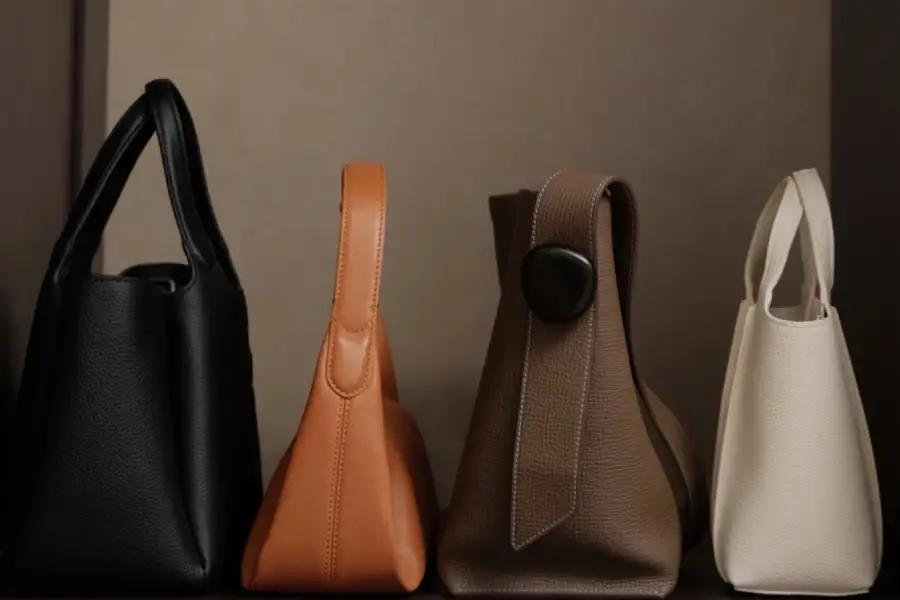
If you want the look, feel, and discretion of luxury without the retail theater, there are brands that deliver a more modern kind of confidence. They do not require a purchase history, a boutique relationship, or a loyalty ritual. They simply offer beautifully designed products that speak for themselves.
Here are five brands that challenge Hermès on different grounds — not by copying it, but by replacing the parts that frustrate modern buyers most.
1. The Row: The Absence of Need
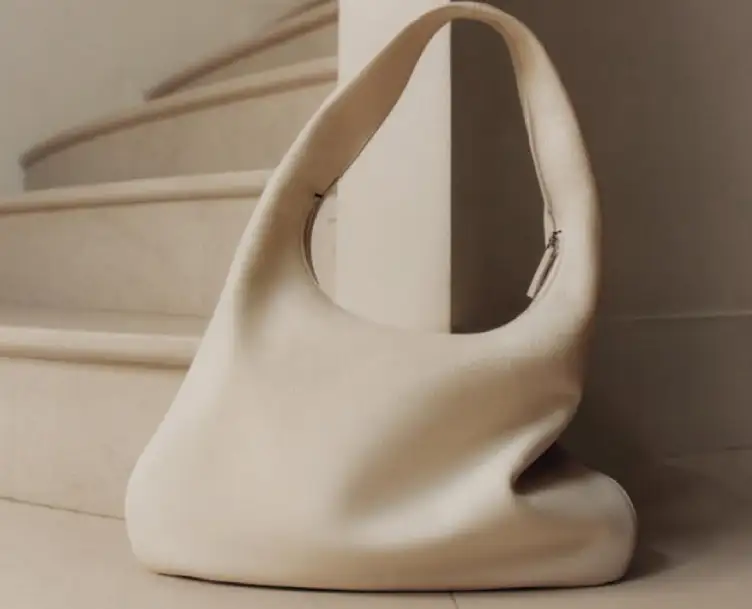
The Row replaces Hermès through minimalism, material quality, and understated status. It is for buyers who want quiet luxury at the highest level, without visible branding or loud design cues.
Its bags, shoes, and ready-to-wear pieces sit in the true luxury tier, with many handbags ranging roughly from $1,000 to $6,000+, and some special pieces going higher.
The Row doesn’t sell status. It sells the freedom from needing it.
Its bags have no logos. No seasonal drops. No “you must buy now or never” urgency. The Ginza’s design language is anti-fashion—it won’t look dated in six months because it never tried to catch any trend.
This is the ultimate form of quiet luxury: not showing wealth quietly, but the complete absence of needing to show wealth at all. When you carry The Row, you’re not telling the world what you can afford. You’re telling yourself that you no longer need to prove anything to the world.
2. Polène: French Craft Without the French Gate
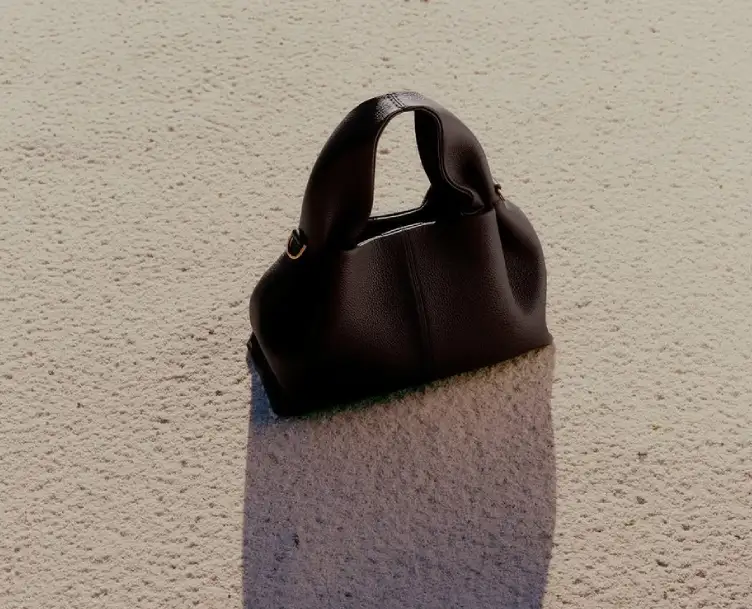
Polène replaces Hermès through modern design, accessible luxury, and strong perceived value. It offers sculptural handbags that feel premium without entering the ultra-luxury pricing game.
Most Polène bags fall around $400 to $700, which makes it one of the most compelling entry points for shoppers who want elegance without excessive markup. The brand’s appeal lies in design freshness, tactile materials, and a polished but approachable image.
3. DeMellier: The Anti-It Bag for People Who Have Work to Do
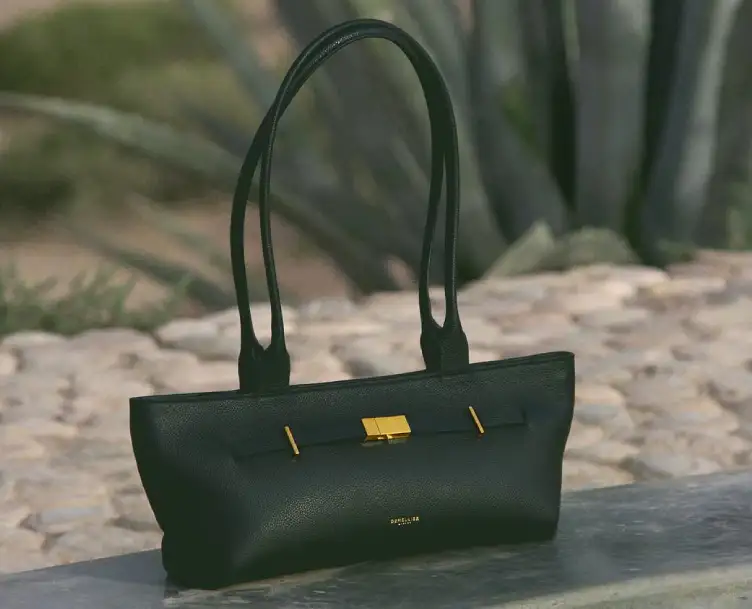
DeMellier replaces Hermès through practical sophistication, everyday usability, and contemporary elegance. It is a strong choice for buyers who want bags that work in real life while still looking elevated.
Pricing typically sits around $400 to $800, depending on the model and leather. DeMellier’s strength is balance: it feels premium, structured, and versatile, but avoids the intimidation factor associated with heritage-heavy luxury houses.
This is functional luxury making a statement against ritual luxury.
4. Savette: A Designer Walks Away From the Game
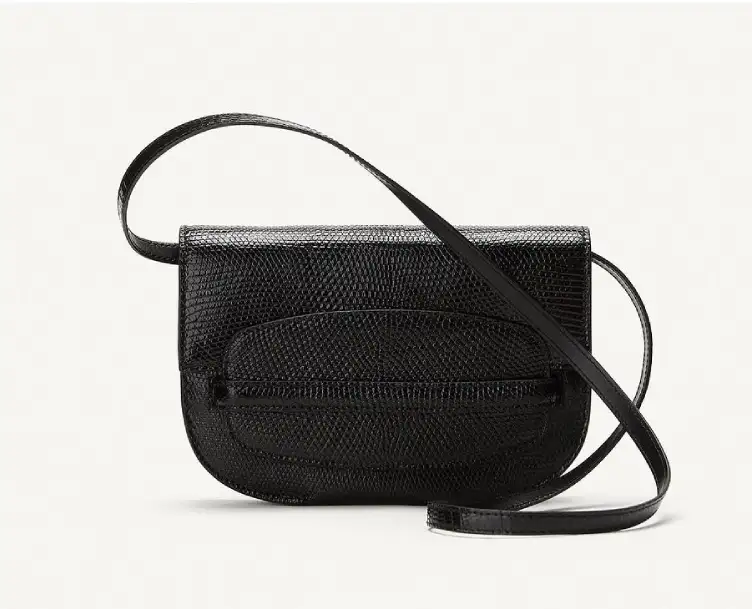
Savette replaces Hermès through architectural design, niche desirability, and refined restraint. It appeals to buyers who prefer insider taste over mainstream recognition.
Its bags generally range from $900 to $2,000+, placing it in the elevated contemporary-luxury segment. Savette offers a fashion-forward interpretation of quiet confidence, making it especially attractive to customers who want something distinctive but not flashy.
5. Aesther Ekme: The Numbered Rebellion
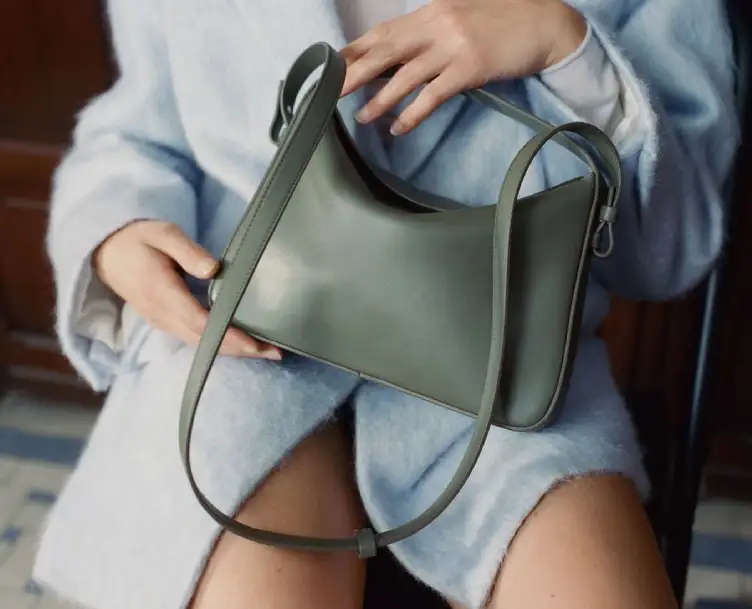
Aesther Ekme replaces Hermès through functionality, soft structure, and low-key luxury. The brand’s aesthetic is calm, intelligent, and intentionally anti-performative.
Most bags land around $300 to $700, making it one of the most accessible names in this group. Aesther Ekme is ideal for buyers who care about silhouette, material, and versatility more than logos or social signaling.
The New Standard: What These Brands Share
These five brands come from different countries, different backgrounds, different price points. But they share one refusal:
| Hermès Game | The New Standard |
|---|---|
| Scarcity = Value | Accessibility = Respect |
| Relationship maintenance = Purchase qualification | Direct transaction = Basic dignity |
| Brand history = Craft proof | Craft itself = Craft proof |
| Logo = Social currency | No logo = Personal judgment |
| “Are you worthy?” | “What do you need?” |
What makes these brands persuasive is not that they imitate Hermès. It is that they replace the pain points Hermès has created for many aspirational buyers.
- The Row replaces logo-free prestige.
- Polène replaces the intimidation of luxury pricing.
- DeMellier replaces impracticality with everyday function.
- Savette replaces mass visibility with insider appeal.
- Aesther Ekme replaces status theater with calm utility.
Together, they show that luxury does not have to feel like a test. It can feel considered, accessible, and emotionally intelligent.
Hermès may still define the top of the pyramid, but these brands prove that the modern buyer has options. And increasingly, those options feel more aligned with how people actually want to live.
#HermesAlternatives #QuietLuxury #MinimalLuxury #UnderstatedLuxury #LuxuryFashion #StyleInspiration #TheRow #Polene #DeMellier #Savette #AestherEkme